
Milkweed, Monarchs, and more: How to support butterflies in your backyard
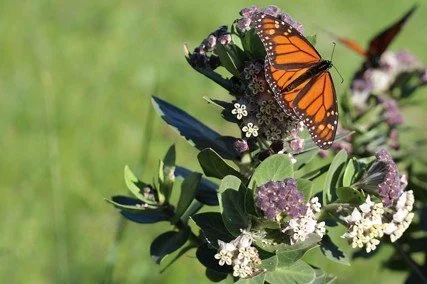
There's nothing quite like watching colorful butterflies flutter through a garden on a warm summer day. Beyond their beauty, butterflies are important pollinators that help support healthy ecosystems and thriving landscapes.
If you'd like to attract more butterflies to your yard, creating a butterfly-friendly garden is one of the most rewarding projects you can undertake. With the right plants, habitat, and gardening practices, you can help support local butterfly populations while enjoying a vibrant and colorful outdoor space.
Why Butterflies Need Our Help
Butterfly populations have declined in many areas due to habitat loss, development, and reduced availability of native host plants. One of the most well-known examples is the Monarch butterfly, whose population has experienced significant declines over recent decades.
Home gardeners can play an important role in providing food, shelter, and breeding habitat that butterflies need to survive and thrive.
Plant Milkweed for Monarch Butterflies
When it comes to supporting Monarch butterflies, milkweed is essential.
Milkweed serves as the host plant for Monarch caterpillars, meaning it is the only plant where Monarch butterflies lay their eggs and where caterpillars feed after hatching.
Popular milkweed varieties include:
· Butterfly Weed (Asclepias tuberosa)
· Swamp Milkweed (Asclepias incarnata)
· Common Milkweed (Asclepias syriaca)
In addition to supporting caterpillars, milkweed flowers provide nectar for adult butterflies and many other pollinators.
Choose Nectar-Rich Flowers
Adult butterflies rely on nectar as a food source. Planting a variety of nectar-rich flowers ensures butterflies have access to food throughout the growing season.
Some butterfly favorites include:
· Coneflower
· Bee Balm
· Lantana
· Zinnias
· Verbena
· Black-Eyed Susan
· Joe Pye Weed
· Asters
· Sedum
The more diversity you provide, the more butterfly species you're likely to attract.
Create Continuous Blooms
Butterflies need food from spring through fall. A garden with continuous blooms offers reliable nectar sources during every stage of the season.
Spring Flowers
· Phlox
· Columbine
· Salvia
Summer Flowers
· Milkweed
· Bee Balm
· Coneflower
· Zinnias
Fall Flowers
· Asters
· Goldenrod
· Sedum
Planning for season-long color helps support migrating butterflies and late-season pollinators.
Provide Sunny Resting Areas
Butterflies are cold-blooded and need sunlight to warm their bodies before flying.
You can help by:
· Planting gardens in sunny locations
· Adding flat stones where butterflies can bask
· Creating wind-protected areas
· Including open spaces for flight and movement
A sunny garden often becomes a favorite destination for butterflies.
Offer Water and Minerals
Butterflies frequently gather around shallow puddles to drink water and absorb minerals, a behavior known as "puddling."
Create a butterfly puddling station by:
· Filling a shallow dish with sand
· Keeping the sand damp
· Adding a few small stones for landing spots
This simple feature can attract additional butterfly visitors.
Avoid Broad-Spectrum Pesticides
Butterflies and caterpillars are highly sensitive to many insecticides.
To create a butterfly-friendly landscape:
· Avoid unnecessary pesticide applications
· Hand-remove pests when possible
· Use targeted treatments only when necessary
· Never spray flowering plants when butterflies are active
Protecting caterpillars is just as important as protecting adult butterflies.
Don't Panic When Caterpillars Eat Leaves
Many gardeners become concerned when they see caterpillars feeding on plants. However, caterpillars are a natural and essential part of the butterfly life cycle.
A few chewed leaves are often a sign that your garden is successfully supporting wildlife.
Remember: no caterpillars means no butterflies.
Butterfly Gardening in Small Spaces
Even if you don't have a large yard, you can still attract butterflies.
Consider:
· Container gardens
· Raised beds
· Patio planters
· Window boxes
A few pots filled with milkweed, lantana, zinnias, and other nectar-rich flowers can create an inviting habitat for visiting butterflies.
Frequently Asked Questions
What is the best plant for Monarch butterflies?
Milkweed is the most important plant for Monarch butterflies because it serves as their host plant and food source during the caterpillar stage.
How do I attract more butterflies to my garden?
Plant nectar-rich flowers, include milkweed, provide water sources, avoid pesticides, and ensure blooms are available from spring through fall.
Do butterflies need native plants?
Many butterfly species benefit greatly from native plants because they have evolved together and depend on them for food and reproduction.
What flowers bloom longest for butterflies?
Lantana, zinnias, verbena, coneflowers, and salvias often provide long-lasting blooms that attract butterflies throughout the season.
Can I grow a butterfly garden in containers?
Absolutely. Containers filled with pollinator-friendly flowers can attract butterflies even on patios, balconies, and small outdoor spaces.
Visit Scenic Roots
Ready to create a butterfly-friendly garden? Scenic Roots offers a beautiful selection of milkweed, native plants, pollinator favorites, annuals, perennials, and gardening supplies to help you build a landscape that butterflies will love.
Scenic Roots
349 Route 6A
East Sandwich, MA 02537
Hours
Monday-Saturday: 8:30 AM-5:00 PM
Sunday: 9:00 AM-4:00 PM
Visit us today and let our knowledgeable team help you choose the perfect plants to support Monarchs, butterflies, bees, and other valuable pollinators throughout the growing season.
