
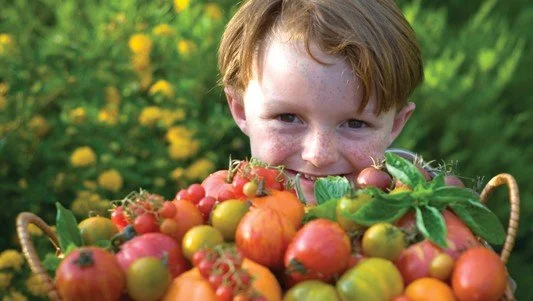
Few garden vegetables are as rewarding as homegrown tomatoes. Whether you're growing cherry tomatoes, slicing tomatoes, or heirloom varieties, a little extra care throughout the season can lead to healthier plants and a larger harvest.
From proper watering and feeding to preventing common problems like blossom-end rot, these simple tomato growing tips can help you enjoy an abundant crop all summer long.
Start with Strong Support
Tomato plants grow quickly and can become heavy with fruit. Providing support early helps prevent broken stems, improves air circulation, and keeps fruit off the ground.
Popular support options include:
· Tomato cages
· Stakes
· Trellises
Install supports when plants are young to avoid damaging roots later in the season.
Prune for Healthier Plants
Pruning helps direct energy into fruit production and improves airflow throughout the plant.
Remove suckers that develop between the main stem and branches. This can help reduce overcrowding and improve fruit quality. This allows for airflow and decreases spread of disease.
Avoid excessive pruning, especially during hot weather, as foliage helps protect tomatoes from sunscald.
Water Deeply and Consistently
One of the biggest mistakes gardeners make is shallow or inconsistent watering.
Tomatoes perform best when watered deeply rather than frequently. Deep watering encourages strong root development and helps plants withstand summer heat.
General watering tips:
· Water at the base of the plant and avoid wetting the foliage when possible. This decreases the spread of diseases.
· Water early in the day
· Keep soil consistently moist but not soggy
Inconsistent watering can contribute to fruit cracking and blossom-end rot.
Mulch to Retain Moisture
Adding mulch around tomato plants provides several benefits:
· Conserves soil moisture
· Reduces weed growth
· Helps regulate soil temperature
· Minimizes soil splash on leaves
Straw, shredded leaves, and untreated grass clippings all make excellent mulch options.
Feed Tomatoes Throughout the Season
Tomatoes are heavy feeders and benefit from regular fertilization.
When feeding tomatoes:
· Use a balanced fertilizer at planting time
· Transition to a fertilizer formulated for flowering and fruiting plants as blooms appear
· Follow label directions carefully
· Avoid excessive nitrogen, which can produce lush foliage with fewer tomatoes
Healthy nutrition supports strong growth and higher yields.
Prevent Blossom-End Rot
Blossom-end rot appears as a dark, sunken spot on the bottom of developing fruit. While alarming, it is usually related to inconsistent moisture and calcium uptake rather than a disease.
To help prevent blossom-end rot:
· Maintain consistent soil moisture
· Water deeply during dry periods
· Avoid letting plants repeatedly dry out
· Mulch around plants
· Test soil if problems persist
Steady watering is often the best defense.
Scout for Pests Early
Regular inspection helps catch problems before they become serious.
Keep an eye out for:
· Tomato hornworms
· Aphids
· Whiteflies
· Flea beetles
· Early signs of fungal disease
Check the undersides of leaves and inspect plants at least once or twice a week.
Early detection often makes treatment easier and more effective.
Improve Air Circulation
Good airflow helps reduce disease pressure throughout the growing season.
Space plants appropriately according to variety recommendations and avoid overcrowding.
Pruning lower leaves that touch the soil can also help reduce the spread of certain diseases.
Harvest Frequently
The more you harvest, the more productive many tomato plants become.
Pick tomatoes when they have developed full color and slight softness. Frequent harvesting encourages continued fruit production and reduces the risk of splitting or pest damage.
Frequently Asked Questions
How often should I water tomato plants?
Most tomato plants benefit from deep watering once or twice per week, depending on weather conditions and soil type. Hot, dry weather may require more frequent watering.
Should I prune all tomato plants?
Not necessarily. Indeterminate tomatoes typically benefit most from pruning, while many determinate varieties require minimal pruning.
What causes blossom-end rot?
Blossom-end rot is usually caused by inconsistent watering that interferes with calcium uptake by the plant.
Is mulch important for tomatoes?
Yes. Mulch helps retain moisture, suppress weeds, regulate soil temperature, and reduce disease-causing soil splash.
Why do my tomato plants have lots of leaves but few tomatoes?
Excess nitrogen fertilizer is often the cause. Too much nitrogen encourages leafy growth at the expense of flowers and fruit production.
Visit Scenic Roots
Whether you're planting your first tomato garden or you're a seasoned vegetable grower, Scenic Roots has everything you need for a successful harvest. From tomato plants and vegetable garden essentials to fertilizers, mulch, supports, and expert advice, we're here to help your garden thrive.
Scenic Roots
349 Route 6A
East Sandwich, MA 02537
Hours
Monday-Saturday: 8:30 AM-5:00 PM
Sunday: 9:00 AM-4:00 PM
Stop by and let our team help you grow healthier plants and enjoy your best tomato harvest yet.
