
Gardening for Pollinators
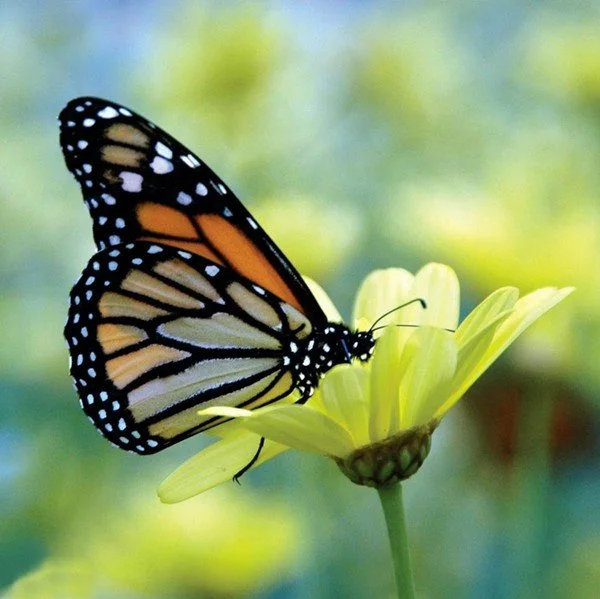
Whether you have a large backyard, a cottage garden, or a few containers on your patio, there are simple ways to make your outdoor space more welcoming to pollinators all season long.
Why Pollinators Are Important
Pollinators help transfer pollen from one flower to another, allowing plants to produce seeds, fruits, and vegetables. In fact, many of the foods we enjoy every day rely on pollinators for successful production.
Bees, butterflies, hummingbirds, moths, and other pollinating insects also support healthy ecosystems by helping native plants reproduce and provide food and shelter for wildlife.
Creating pollinator-friendly gardens helps protect these important species while enhancing the beauty and productivity of your landscape.
Plant Native Flowers for Pollinators
One of the easiest ways to attract pollinators is by planting native flowers. Native plants have evolved alongside local pollinators and often provide the nectar, pollen, and habitat they need most.
Popular native plants for New England gardens include:
Bee Balm
Milkweed
Joe Pye Weed
New England Aster
Black-Eyed Susan
Goldenrod
Purple Coneflower
Mt. Mint
Native plants are generally low maintenance, drought tolerant once established, and highly attractive to beneficial insects.
Add Nectar-Rich Annuals and Perennials
A diverse mix of annuals and perennials provides continuous blooms and food sources throughout the growing season.
Best Annual Flowers for Pollinators
Zinnias
Cosmos
Sunflowers
Lantana
Salvia
Verbena
Best Perennials for Pollinators
Coneflowers
Yarrow
Lavender
Coreopsis
Asters
Russian Sage
Choose plants with varying bloom times to ensure pollinators always have access to nectar from spring through fall.
Create a Water Source for Bees, Butterflies & Birds
Pollinators need access to fresh water, especially during hot summer months.
Simple options include:
A shallow birdbath
A dish filled with pebbles and water
Small fountains
Garden water features
Adding stones or pebbles gives bees and butterflies a safe place to land while drinking.
Provide Shelter and Nesting Areas
Pollinators need more than flowers. They also require places to rest, nest, and overwinter.
You can help by:
Leaving some garden areas natural
Allowing seed heads to remain through winter
Creating brush piles in quiet corners
Installing bee houses where appropriate
Avoiding excessive cleanup in fall
Even small habitat areas can make a big impact.
Avoid Unnecessary Pesticide Use
Many pesticides can unintentionally harm beneficial insects and pollinators.
To create a healthier garden:
Inspect plants before treating problems
Use targeted solutions when needed
Avoid spraying open blooms
Apply treatments early morning or late evening
Consider integrated pest management practices
Protecting pollinators starts with thoughtful gardening practices.
Plan for Season-Long Blooms
A successful pollinator garden offers flowers from early spring through late fall.
Spring Bloomers
Columbine
Salvia
Summer Bloomers (too many to list!)
Bee Balm
Coneflowers
Black-Eyed Susan
Lobelia
Fall Bloomers
Asters
Goldenrod
Sedum
Providing continuous blooms ensures pollinators have reliable food sources throughout the growing season.
Pollinator Gardens Work in Small Spaces Too
You don't need acres of land to support pollinators. Container gardens, raised beds, window boxes, and patio planters can all provide valuable nectar and pollen.
A few colorful containers filled with pollinator-friendly flowers can attract bees, butterflies, and hummingbirds right outside your door.
