
herb gardens that do more: cooking, Pollinators, and wellness
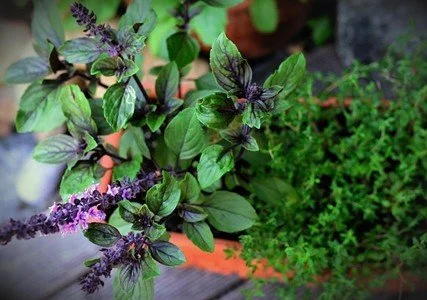
Herb gardens aren’t just for cooking—they can be one of the most versatile and rewarding parts of your outdoor space. With the right mix of plants, your herb garden can support pollinators, enhance your meals, and even contribute to everyday wellness. At Scenic Roots, herbs are a customer favorite for a reason—they’re easy to grow, highly useful, and packed with benefits. Here’s how to create an herb garden that does more.
Grow for the Kitchen
Fresh herbs bring flavor, color, and aroma to everyday meals. Even a small selection can transform how you cook.
Must-Have Culinary Herbs
Basil for sauces, salads, and pesto
Rosemary for roasting vegetables and meats
Thyme for soups and marinades
Parsley for finishing dishes and adding freshness
Chives for eggs, potatoes, and more
Tips for Success
Plant herbs where they get at least 6 hours of sun
Harvest regularly to encourage new growth
Keep herbs close to your kitchen for easy access
Support Pollinators
Many herbs produce small flowers that are rich in nectar, making them a valuable food source for bees, butterflies, and other beneficial insects.
Pollinator-Friendly Herbs
Lavender
Oregano (let it flower)
Thyme
Mint
Borage
How to Help Pollinators Thrive
Allow some herbs to flower instead of harvesting everything
Plant in clusters for easier feeding
Avoid chemical pesticides
Create a Wellness Garden
Herbs have long been used for their soothing scents and natural properties. A simple herb garden can support relaxation and everyday well-being.
Herbs for Wellness
Lavender for calming and sleep support
Chamomile for tea and relaxation
Lemon balm for stress relief
Sage for its earthy aroma and traditional uses
Peppermint for refreshing teas and digestion
Simple Ways to Use Them
Brew fresh herbal teas
Add to baths or sachets
Use in homemade oils or sprays
Design Ideas for Multi-Use Herb Gardens
You don’t need a large space to create a garden that works hard.
Small Spaces and Containers
Use pots on a patio or balcony
Group herbs by water and sunlight needs
Mix upright and trailing varieties for visual interest
Raised Beds and In-Ground Gardens
Combine herbs with vegetables and flowers
Use herbs as borders or fillers
Create themed sections (culinary, pollinator, wellness)
Tips for a Thriving Herb Garden
Most herbs prefer well-drained soil
Avoid overwatering—herbs generally like it on the drier side
Trim often to prevent legginess
Replace or refresh plants throughout the season if needed
Final Thoughts
An herb garden can be more than just a place to snip a few leaves for dinner. With a thoughtful mix of plants, it becomes a space that supports your cooking, helps pollinators, and adds a sense of calm to your everyday routine.
Stop by and explore our selection of herbs—we’re happy to help you build a garden that fits your space and your lifestyle.
