
Plants with a second act
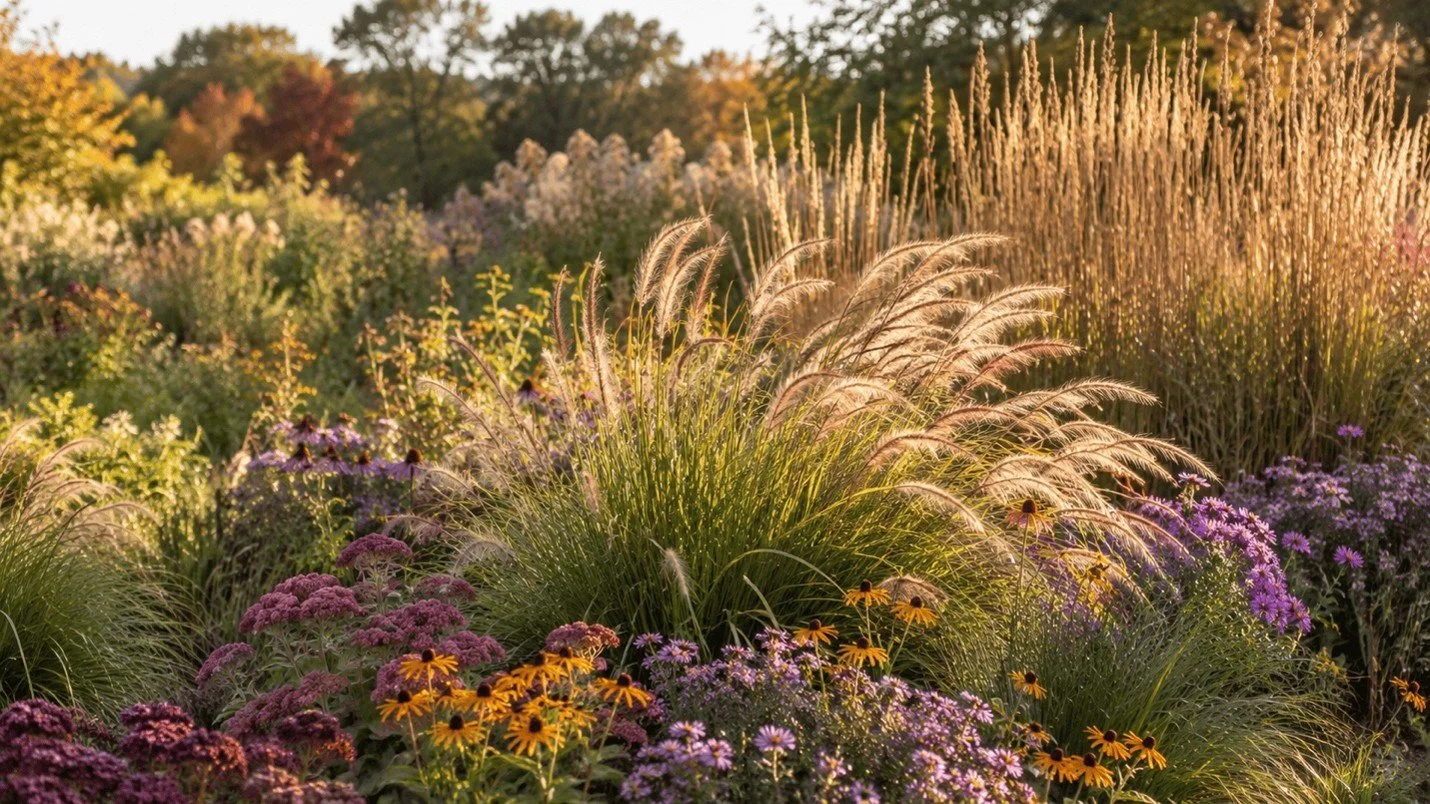
Some plants put on a spectacular show while they are blooming and then quietly disappear into the background. Others are just getting started. These are the plants with a second act. After their flowers fade, they continue earning their place in the garden with colorful foliage, berries, seed heads, interesting texture, ornamental grasses, attractive bark or beautiful fall color.
When planning a landscape, especially here on Cape Cod, choosing plants that offer more than one season of interest can make a tremendous difference. At Scenic Roots Garden Center in East Sandwich, we love plants that keep the garden interesting long after their first round of flowers has finished.
Choose Plants That Offer More Than Flowers
It is easy to fall in love with a plant when it is covered in flowers at the garden center. But blooms are only part of the story. Before choosing a new plant, consider what happens after those flowers fade.
Does the foliage stay attractive? Does it change color in fall? Will berries appear later in the season? Are the seed heads worth leaving in the garden? Does the plant have an interesting shape or texture? Plants with multiple seasons of interest can help create a landscape that feels fuller and more intentional from spring through fall and, in some cases, well into winter.
Add Fall Color With Changing Foliage
Flowers may get most of the attention during spring and summer, but fall foliage can completely transform a landscape. Trees and shrubs are often the stars of the fall garden, offering leaves in shades of yellow, orange, red and burgundy. Some perennials also develop attractive fall foliage before going dormant. When selecting plants for your Cape Cod landscape, consider both their flowering season and their foliage. A plant that blooms beautifully in spring and then produces colorful leaves in fall gives you two completely different displays from a single addition to the garden.
Look for Plants That Produce Berries
Flowers do not always signal the end of the show. Some flowering shrubs and other landscape plants produce colorful berries or fruit later in the season, creating another layer of interest after blooming has finished. Berries can add pops of red, orange, blue, purple or other colors to the fall and winter landscape, depending on the plant. They can also provide food for birds and other wildlife when appropriate species are selected. When shopping for plants with berries, ask about their growing requirements and whether a particular variety requires another compatible plant for fruit production.
Let Seed Heads Stay in the Garden
There is no rule saying every faded flower needs to be immediately removed. Many perennials develop interesting seed heads after flowering, adding texture and shape to the fall garden.
Instead of cutting everything back as soon as blooming ends, take a closer look. Some dried flower heads and seed structures can remain attractive for weeks or even months. They can also look beautiful when touched by frost or standing above a light snowfall. Leaving suitable seed heads in place may also provide food or habitat for wildlife. Sometimes doing a little less cleanup creates a much more interesting garden.
Use Ornamental Grasses for Texture and Movement
Ornamental grasses know how to make an entrance late in the season. Many spend spring and early summer developing their foliage before becoming especially noticeable as summer transitions into fall. Their blades add texture and movement, while their plumes and seed heads can provide additional seasonal interest. Depending on the variety, ornamental grasses may also develop warm fall tones and remain visually interesting after other plants have gone dormant. They can be especially effective when planted among shrubs and perennials to break up areas filled with similar leaf shapes.
Evergreens Keep the Show Going
Evergreens may not have a dramatic before-and-after transformation, but their ability to provide consistent color and structure makes them incredibly valuable in a four-season landscape.
Once deciduous trees lose their leaves and perennials go dormant, evergreen trees and shrubs become much more noticeable. They can provide privacy, define garden beds, anchor foundation plantings and keep the landscape from looking empty during winter. If your garden seems to disappear after fall, it may need more evergreen structure.
Bark and Branches Can Be Beautiful Too
Once leaves fall, another part of the landscape becomes visible: the branches. Trees and shrubs with interesting bark, colorful stems or distinctive branching patterns can provide an entirely different kind of beauty during late fall and winter. This is one reason it helps to think beyond flowers when choosing landscape plants. A plant may bloom for several weeks, but its foliage, fruit, bark or structure could remain interesting for months.
Create a Four-Season Cape Cod Garden
A landscape does not need to bloom constantly to be beautiful. The secret is layering plants that peak at different times. Spring flowering trees and shrubs can begin the season. Perennials and flowering shrubs can carry the garden into summer. Late bloomers, berries, ornamental grasses and colorful foliage can take over in fall. Evergreens, seed heads, bark and plant structure can continue the display through winter. By combining plants with different strengths, you can create a four-season landscape rather than a garden that looks wonderful for only a few weeks.
Look at Your Garden in Fall Before Choosing New Plants
Fall is an especially helpful time to evaluate your landscape because you can see which plants still look interesting after summer. Walk around your yard and notice which areas still catch your eye.
Then look for the places that suddenly feel empty. Does a garden bed need more fall foliage? Would an ornamental grass add texture? Could an evergreen provide structure? Is there room for a shrub that offers both flowers and berries?
These observations can help you choose plants that fill specific gaps instead of simply adding more plants. Take a few photos and bring them with you when you visit Scenic Roots Garden Center in East Sandwich. Seeing the space can make it easier to discuss plants that could provide the color, texture or seasonal interest you are looking for.
