
Moving houseplants in without bringing the bugs along
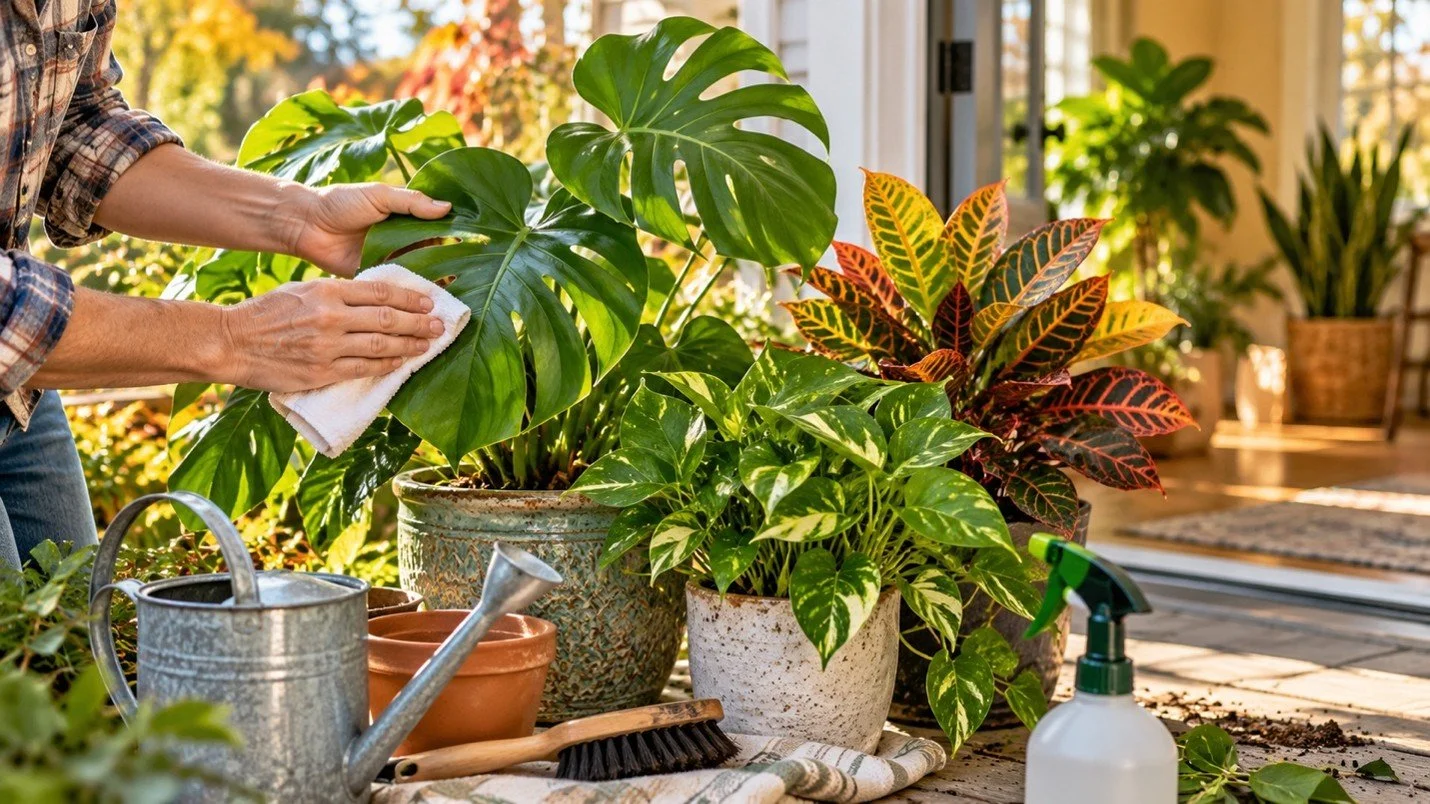
After spending the summer outside soaking up sunshine, your houseplants and tropical plants may be looking better than ever. But as temperatures begin to cool on Cape Cod, it is time to start thinking about bringing those plants back indoors. There is just one problem. Your plants may have picked up a few unwanted passengers while they were outside. Aphids, spider mites, scale, mealybugs and other small pests can hide on leaves, stems and even around pots. Bringing plants indoors without checking them first can introduce those pests to your other houseplants. Before moving your tropical plants and houseplants inside for fall, a little inspection and cleanup can make the transition much easier.
Bring Houseplants Indoors Before Cold Weather Arrives
Do not wait for the first frost to start thinking about your indoor plants. Many tropical plants and common houseplants are sensitive to cold temperatures. Because different plants have different temperature tolerances, it is important to know what you are growing and move cold-sensitive plants indoors before temperatures become too chilly for them. Here in East Sandwich and across Cape Cod, fall temperatures can change quickly. Start preparing plants early so you are not trying to inspect and move everything inside on one unexpectedly cold evening.
Inspect Every Plant for Insects
Before a plant crosses the threshold, give it a thorough inspection.
Look closely at:
The tops and undersides of leaves
New growth and flower buds
Where leaves meet the stems
Along branches and stems
The surface of the potting soil
Around drainage holes
The outside and underside of the container
Common houseplant pests can be surprisingly small. Look for actual insects as well as clues that pests may be present, such as sticky residue, webbing, discolored leaves, bumps along stems or unusual speckling on foliage. If something looks suspicious, keep that plant separate from your other plants until you can identify the problem.
Give Plants a Good Cleaning
Outdoor plants collect plenty of dust and debris over the summer. Before bringing them inside, remove fallen leaves, dead flowers and other plant debris from the container. Wipe down or rinse the outside of pots and saucers as appropriate. Depending on the plant, gently rinsing the foliage can also help remove dust and some insects. While you are cleaning, take another close look at the plant. Sometimes pests that were difficult to see initially become much easier to spot during a thorough cleanup.
Check the Soil and Containers Too
Do not focus only on the foliage. The container itself can provide plenty of hiding places for insects and other outdoor hitchhikers. Check underneath the pot, around the rim and near drainage holes. Remove accumulated leaves or debris sitting on top of the soil. If a plant needs repotting, choose an appropriate container and fresh potting mix suited to that particular plant rather than simply using garden soil from outdoors.
Treat Pest Problems Before Plants Come Inside
If you discover insects, address the problem before placing the plant among your indoor houseplant collection. The appropriate treatment depends on the pest and plant involved. Some problems may be managed by physically removing pests or rinsing foliage, while others may require a product specifically labeled for the particular pest and plant. Always read and follow product label directions carefully. If you are unsure what is living on your plant, bring clear photos or a sealed sample to us at Scenic Roots Garden Center in East Sandwich so the problem can be identified before you choose a treatment.
Consider Keeping Returning Plants Separate
Even after a careful inspection, tiny pests or eggs can sometimes be difficult to spot. When possible, keep plants that have spent the summer outdoors separated from your established indoor houseplants for a period after bringing them inside. Continue checking the leaves and stems regularly. Finding a pest problem on one isolated plant is much easier to manage than discovering it after insects have spread throughout your entire houseplant collection.
Expect Plants to Adjust to Indoor Conditions
Coming indoors is a big environmental change for a plant. Outdoor light levels are often significantly brighter than indoor conditions. Humidity, temperature and air circulation also change once a plant comes inside. Some plants may respond by dropping a few leaves or slowing their growth. Place each plant in appropriate indoor light and avoid automatically watering it on the same schedule you used outdoors. Plants growing more slowly indoors may use water differently.
Check the soil before watering and adjust your routine based on the needs of the plant.
Find the Best Indoor Light
Before bringing plants inside, think about where they are going to live. A tropical plant that spent summer in bright outdoor conditions may struggle if it suddenly moves into a dark corner.
Windows that provide good natural light can be valuable, but the right location depends on the plant. Some houseplants prefer bright indirect light, while others tolerate lower-light conditions.
If you are unsure about your plant's light requirements, ask before choosing its winter home.
Do Not Forget About Humidity
Indoor air can become much drier as heating systems begin running. Some tropical houseplants appreciate higher humidity than the average heated home provides. Grouping plants together or using a humidifier may help certain plants, depending on their needs and your indoor conditions.
Most importantly, watch your plants. Their appearance can provide clues that something has changed. Browning leaf edges, yellowing foliage, leaf drop or wilting may indicate that it is time to look more closely at light, watering, humidity or possible pests.
Make the Indoor Transition Part of Your Fall Routine
Bringing plants indoors does not need to become a giant weekend project. Start early and work through your collection a few plants at a time. Inspect them. Clean them. Check the containers. Address any pest problems. Decide where each plant will live indoors. A little preparation can help protect both the plants coming inside and the houseplants that have been living indoors all summer.
And perhaps most importantly, you will be much less likely to discover a tiny insect convention happening on your windowsill in November.
