
Keep Pollinators coming into the fall season
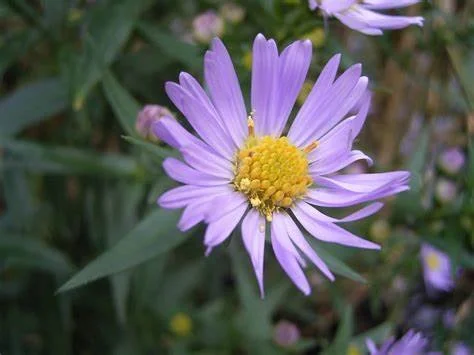
As August settles over Cape Cod, many spring and early summer flowers begin to slow down. Bees, butterflies, hummingbirds, and other beneficial pollinators are still actively searching for nectar, making this an important time to add plants that continue blooming into fall.
A thoughtful mix of perennials, native plants, herbs, and annuals can keep your garden colorful while providing a steady food source for local pollinators through the changing season.
Choose Long-Blooming Perennials
Perennials return year after year and provide dependable color throughout the garden.
Excellent late-season choices include:
Coneflower
Black-Eyed Susan
Salvia
Sedum
Bee Balm
Asters
These hardworking plants offer weeks of blooms while attracting bees, butterflies, and hummingbirds.
Add Native Plants
Native plants are especially valuable because they are well adapted to local growing conditions and support the insects and wildlife found throughout southeastern Massachusetts.
Consider planting:
New England Aster
Goldenrod
Joe Pye Weed
Mountain Mint
Blazing Star Liatris
Native milkweed
Native plants can provide nectar, pollen, shelter, and host material for butterflies and other beneficial insects.
Let Herbs Flower
Herbs are not only useful in the kitchen. Many become excellent pollinator plants when allowed to bloom.
Try growing:
Basil
Oregano
Thyme
Chives
Lavender
Mint
Leave a few stems unharvested so they can flower and provide an additional nectar source.
Keep Annual Color Going
Annuals can fill empty spaces quickly and keep the garden blooming until frost.
Pollinator-friendly annuals include:
Zinnias
Lantana
Verbena
Sunflowers
Marigolds
Regular deadheading encourages many annuals to continue producing fresh blooms.
Plant in Groups
Pollinators are more likely to notice flowers when several plants of the same variety are grouped together. Instead of scattering individual plants throughout the landscape, create small clusters or drifts. This makes nectar easier to find and creates a stronger visual impact in the garden.
Provide Water and Shelter
Pollinators need more than flowers.
Create a welcoming habitat by:
Adding a shallow water source
Including flat stones for butterflies to rest on
Leaving some seed heads standing
Providing shrubs and grasses for shelter
Avoiding unnecessary pesticide use
Even a small garden can become a valuable stop for pollinators.
Plan for Continuous Blooms
The most successful pollinator gardens include plants that bloom at different times.
Combine:
Summer-blooming perennials
Late-season asters and goldenrod
Flowering herbs
Long-lasting annuals
Native shrubs
This creates a steady supply of nectar from summer through fall.
