
Build a Pollinator paradise in your own backyard
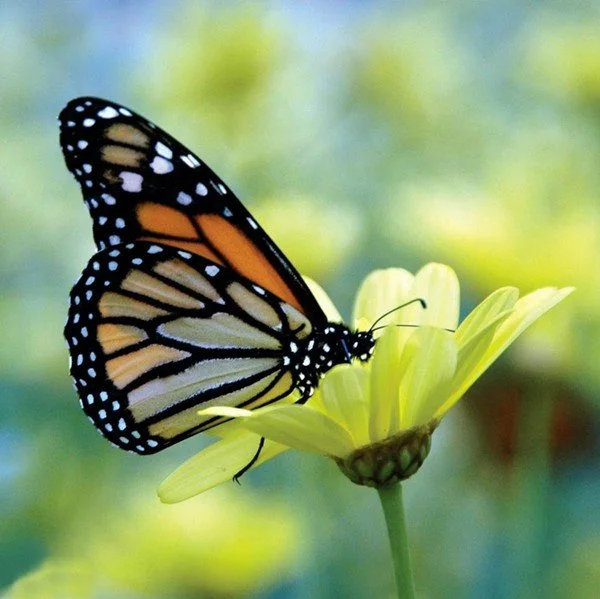
Thinking about adding more life to your garden this season? A pollinator garden is one of the most rewarding projects you can take on. It is not just about planting flowers. It is about creating a space that supports bees, butterflies, and other beneficial wildlife from spring through fall.
At Scenic Roots, gardeners are turning simple yards into thriving pollinator habitats. Here is how to build a garden that works as a complete system, not just a plant list.
What Is a Pollinator Paradise?
A pollinator paradise is a garden designed to provide food, water, and shelter for pollinators throughout the growing season. Instead of focusing on a few blooms, you are creating an environment that supports life at every stage.
Step 1: Start with a Simple Layout
Before planting, take a few minutes to plan your space.
*Group plants in clusters. Pollinators are more likely to visit larger groupings of the same plant rather than single scattered ones
*Think in layers. Use a mix of low growing plants, mid height flowers, and taller shrubs to create depth and shelter
*Choose a sunny location. Most pollinator plants thrive in full sun with at least 6 hours of light each day
Step 2: Choose Plants That Bloom All Season
A successful pollinator garden provides a steady food source from early spring through fall.
Early season blooms. Support bees and insects just coming out of winter
Mid season flowers. Keep activity strong during peak growing months
Late season plants. Help pollinators prepare for colder weather
Native plants are a great choice for Massachusetts gardens because they are adapted to the local climate and naturally attract native pollinators.
Step 3: Add Water and Shelter
Pollinators need more than nectar to thrive.
Water source. A shallow dish with stones gives bees and butterflies a safe place to land and drink
Shelter areas. Leave a small section of your garden a bit natural with sticks, stems, or undisturbed soil for nesting
Plant variety. Different shapes and sizes provide protection from wind and predators
Step 4: Keep It Natural
Avoid using pesticides or harsh chemicals. Even small amounts can harm pollinators.
Focus on healthy soil. Use compost and organic matter to build strong plants
Let nature do some of the work. A slightly less tidy garden can actually be more beneficial for wildlife
Step 5: Build Your Garden Over Time
You do not need to create everything at once.
Start with one bed or a few containers. Add new plants each season
Watch what works best in your space and expand from there. Even a small pollinator garden can make a big impact.
Why Create a Pollinator Garden?
Supports local wildlife
Adds movement and color to your yard
Helps nearby plants and vegetables thrive through pollination
Creates a more natural, balanced outdoor space
Pollinator Garden FAQs
What is the easiest way to start a pollinator garden
Start with a few pollinator friendly plants in a sunny spot and group them together. Build from there as you gain confidence.
Do I need a large yard
No. Containers, small beds, and even patio spaces can support pollinators if planted thoughtfully.
What plants are best for pollinators in Massachusetts
Native perennials, flowering herbs, and shrubs are all excellent choices. A mix of bloom times is key.
How do I keep pollinators coming back
Provide consistent blooms, avoid chemicals, and include water and shelter in your garden.
Is a pollinator garden high maintenance
Once established, it is relatively low maintenance. Watering, occasional weeding, and seasonal cleanup are usually enough.
Visit Scenic Roots in East Sandwich MA
Ready to start your pollinator garden project? Visit Scenic Roots in East Sandwich, MA for plants, supplies, and expert guidance to help you build a garden that supports local wildlife.
Scenic Roots
349 Route 6A
East Sandwich, MA
Hours:
Monday through Saturday • 8:30 AM to 5:00 PM
Sunday • 9:00 AM to 4:00 PM
Stop in and let’s bring your pollinator paradise to life this season.
